Sacred Sparks: Weekly Words of Torah
Relationships Are Living Things
Delivered by Student Rabbi Ben Russell on Erev Shabbat B'reishit 5787
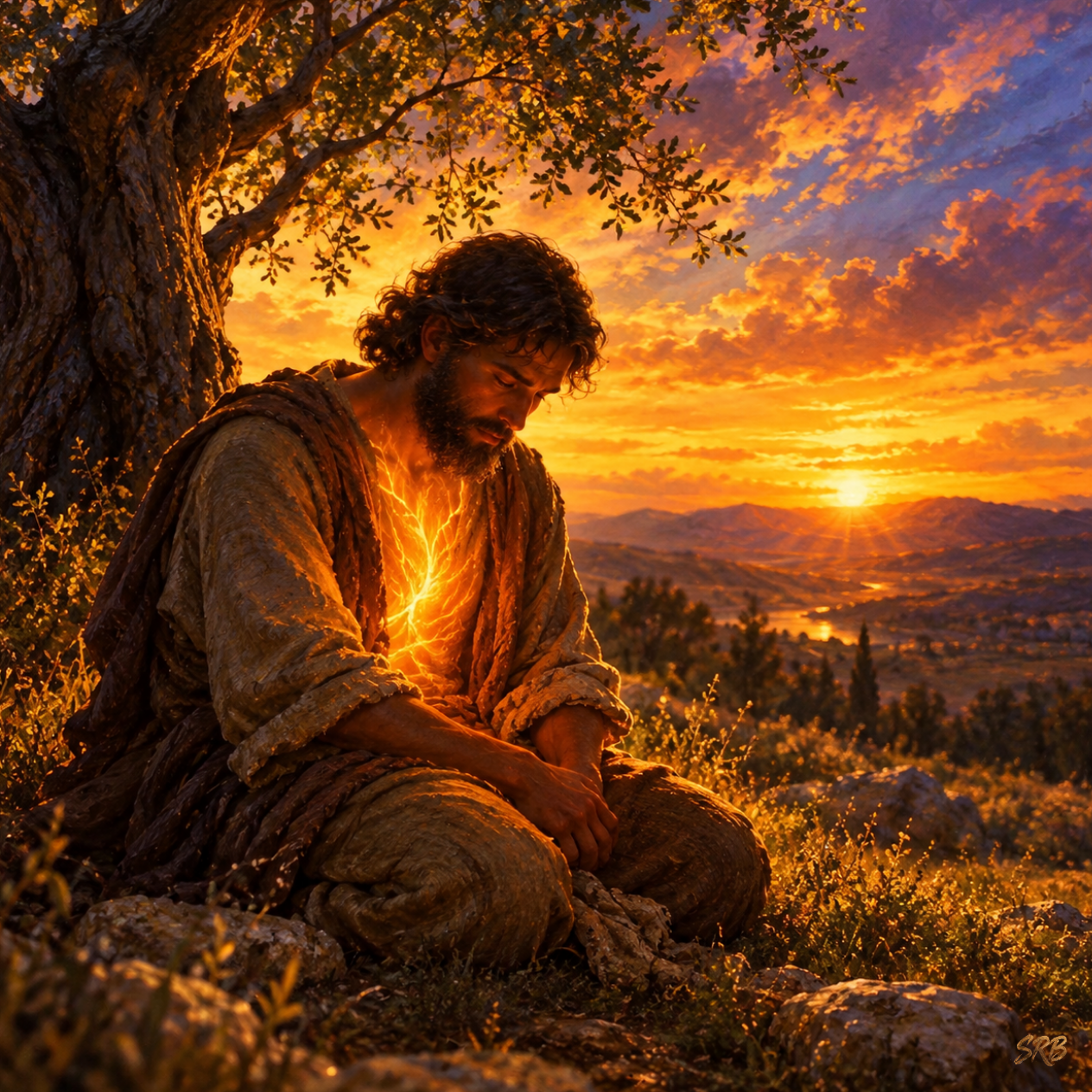
The High Holy Days asked us to look in the mirror. Now the Torah gives us Cain and Abel, and a question about what we do with our anger before it consumes what we love. In “Relationships Are Living Things,” Student Rabbi Ben Russell reflects on the divine spark within our emotions, on relationships that wax and wane, and on choosing love while we still can. “We can love someone without being near them.”
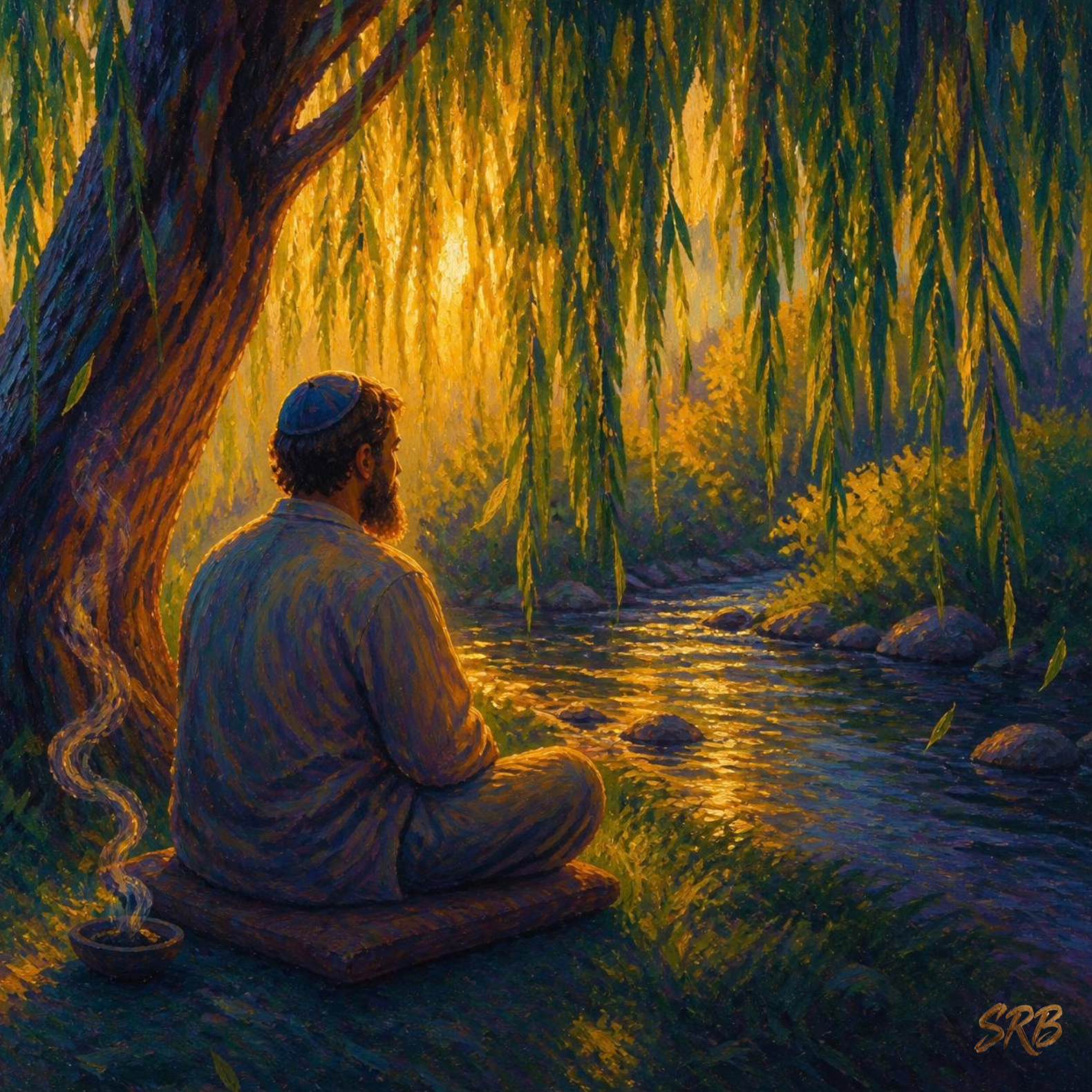
Just One More Day
Delivered by Student Rabbi Ben Russell on Erev Shabbat & Sh’mini Atzeret 5787
After weeks of shofar, confession, fasting, rejoicing, and sacred gathering, Sh’mini Atzeret asks for something quieter: stay. In “Just One More Day,” Student Rabbi Ben Russell reflects on the Jewish practice of stopping, listening, and paying attention—and asks what will sustain our spiritual lives when the holidays stop waking us up. “There will just be Monday.” Perhaps holiness begins when we learn to remain present there, too.
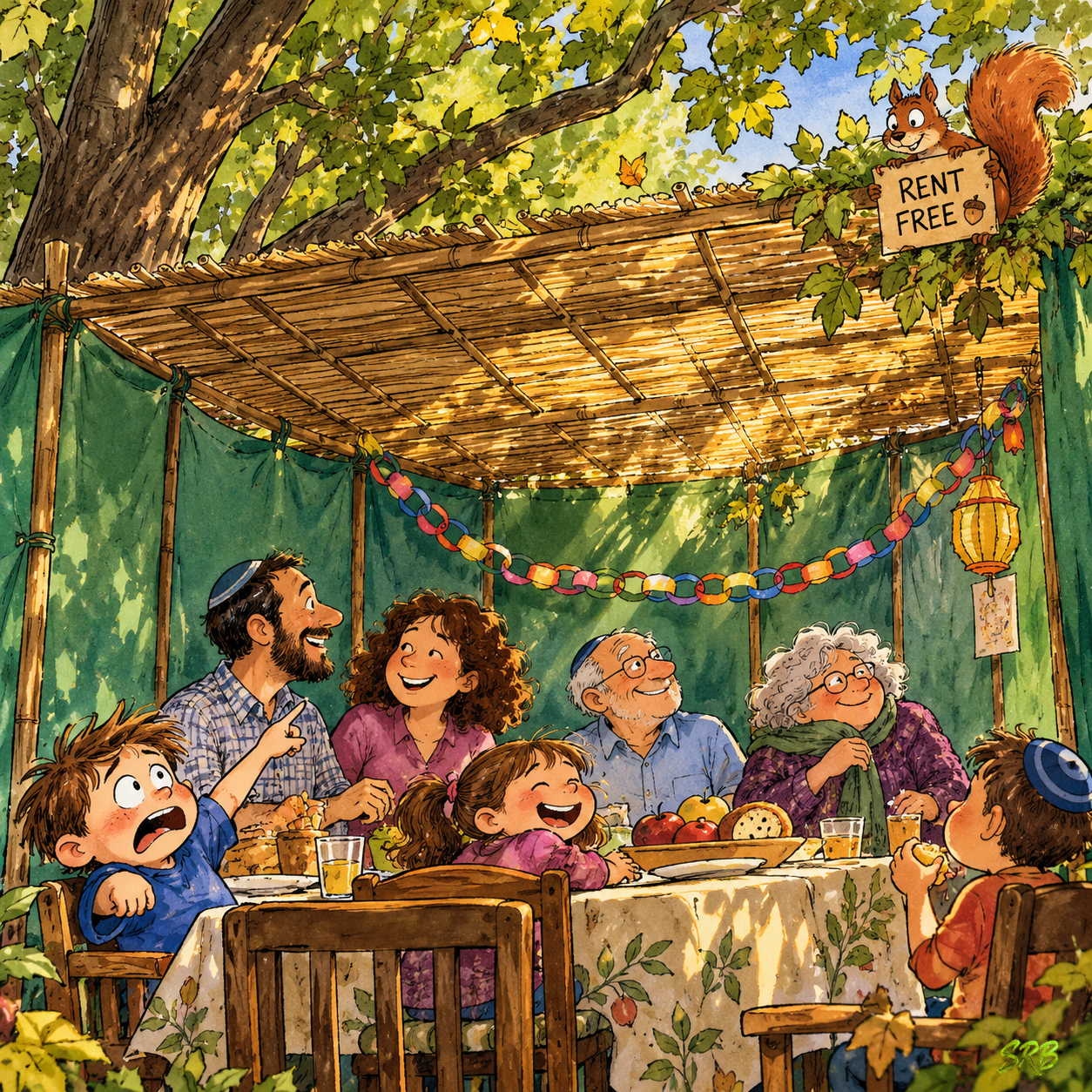
Under the Sukkah
Delivered by Student Rabbi Ben Russell on Erev Sukkot 5787
Once a year, Judaism sends us outside to build a little house that doesn't keep out the weather very well. The walls aren't especially strong, and the roof is left open to the sky. And somehow, we call this shelter. After the honest self-examination of the High Holy Days, perhaps a sukkah is exactly the kind of shelter we need, and we don't have to sit in it alone.
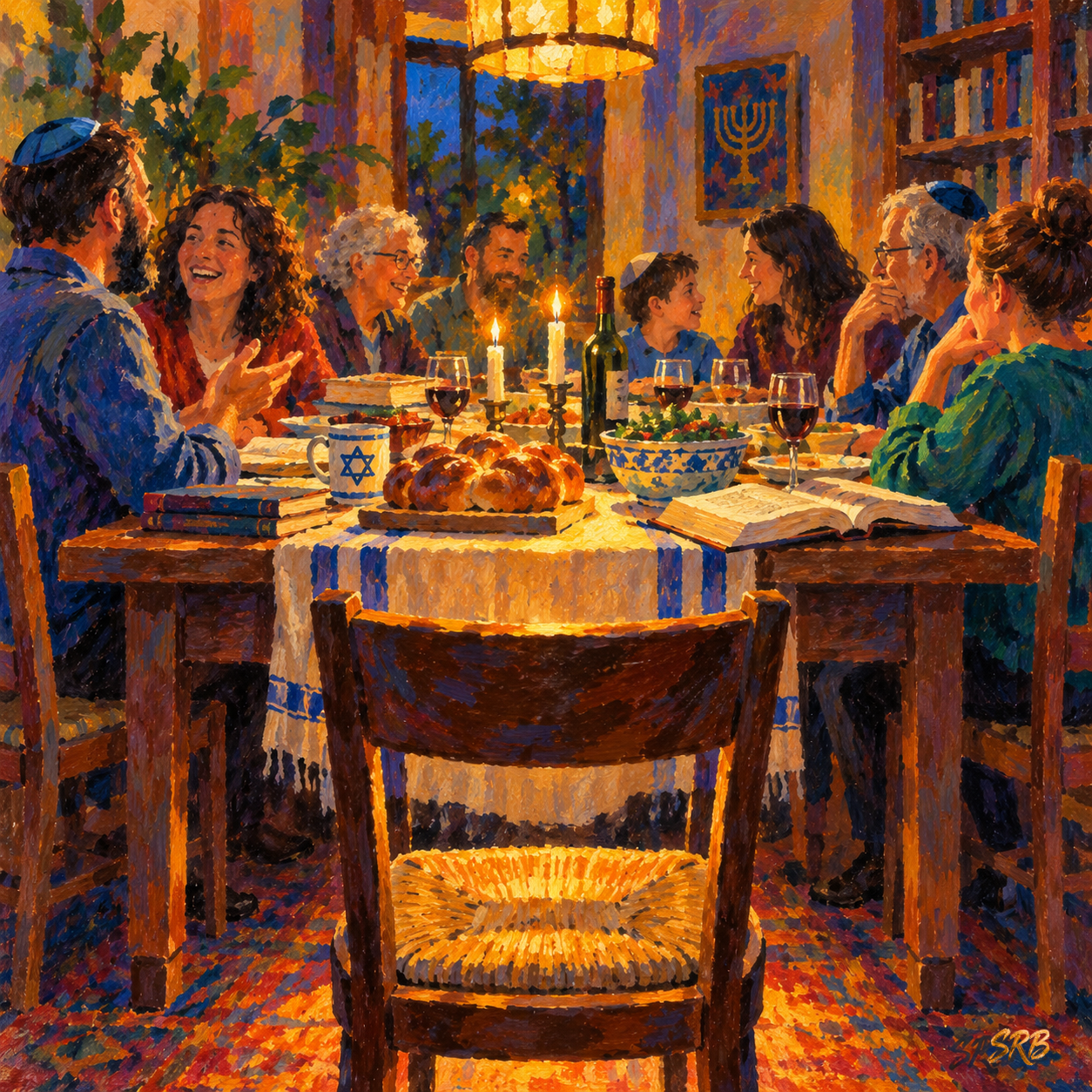
Judaism Misses You
Delivered by Student Rabbi Ben Russell on Yom Kippur Morning 5787
Judaism Misses You. “Perhaps somewhere inside us there is a sentence waiting to be said: I don’t want to be Jewish alone anymore.” Judaism is more than something we are—it is something we inhabit: living, breathing, arguing, praying, questioning, studying, laughing, mourning, eating, and singing together. “There is an inheritance here that might help you live. You deserve to know what’s in it.” This Yom Kippur morning, Student Rabbi Ben Russell asks what it might mean to open that inheritance, wrestle with it, and find our own place within it. “Judaism misses you. And perhaps, somewhere inside you, you miss Judaism too.”
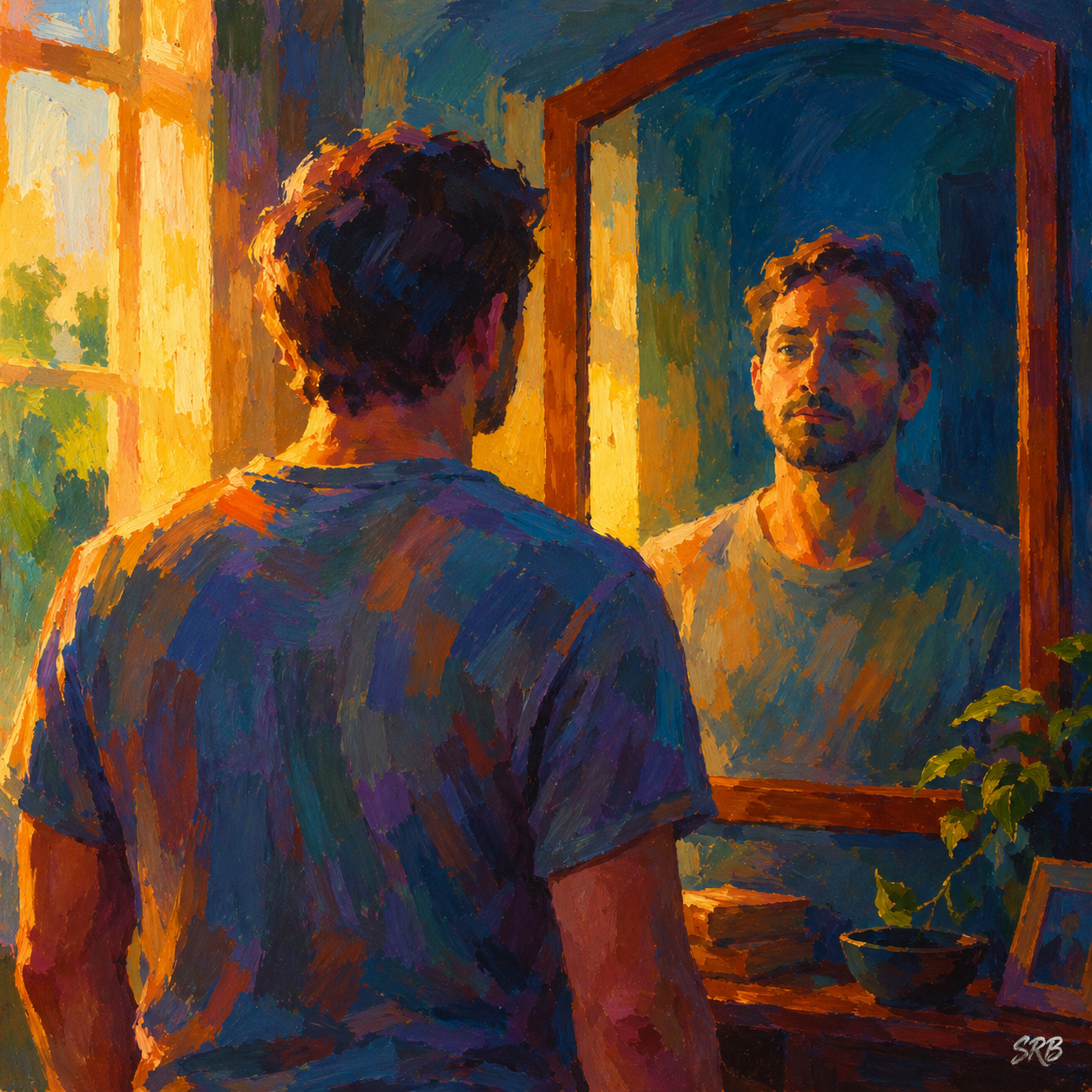
Permission to Look
Delivered by Student Rabbi Ben Russell on Kol Nidrei 5787
“We cannot change a life we refuse to see.” Yom Kippur asks us to look—at what we have done, what has been done to us, what we regret, what we resent, and even the parts of ourselves we have been afraid to see. But looking honestly does not require looking cruelly. “Honesty without gentleness can become cruelty. But gentleness without honesty can become another way of hiding.” In “Permission to Look,” Student Rabbi Ben Russell reflects on confession, guilt, forgiveness, boundaries, and the possibility that the bright light of Yom Kippur is not there to condemn us, but to help us see ourselves truthfully. “The past is real. But we are still becoming.”
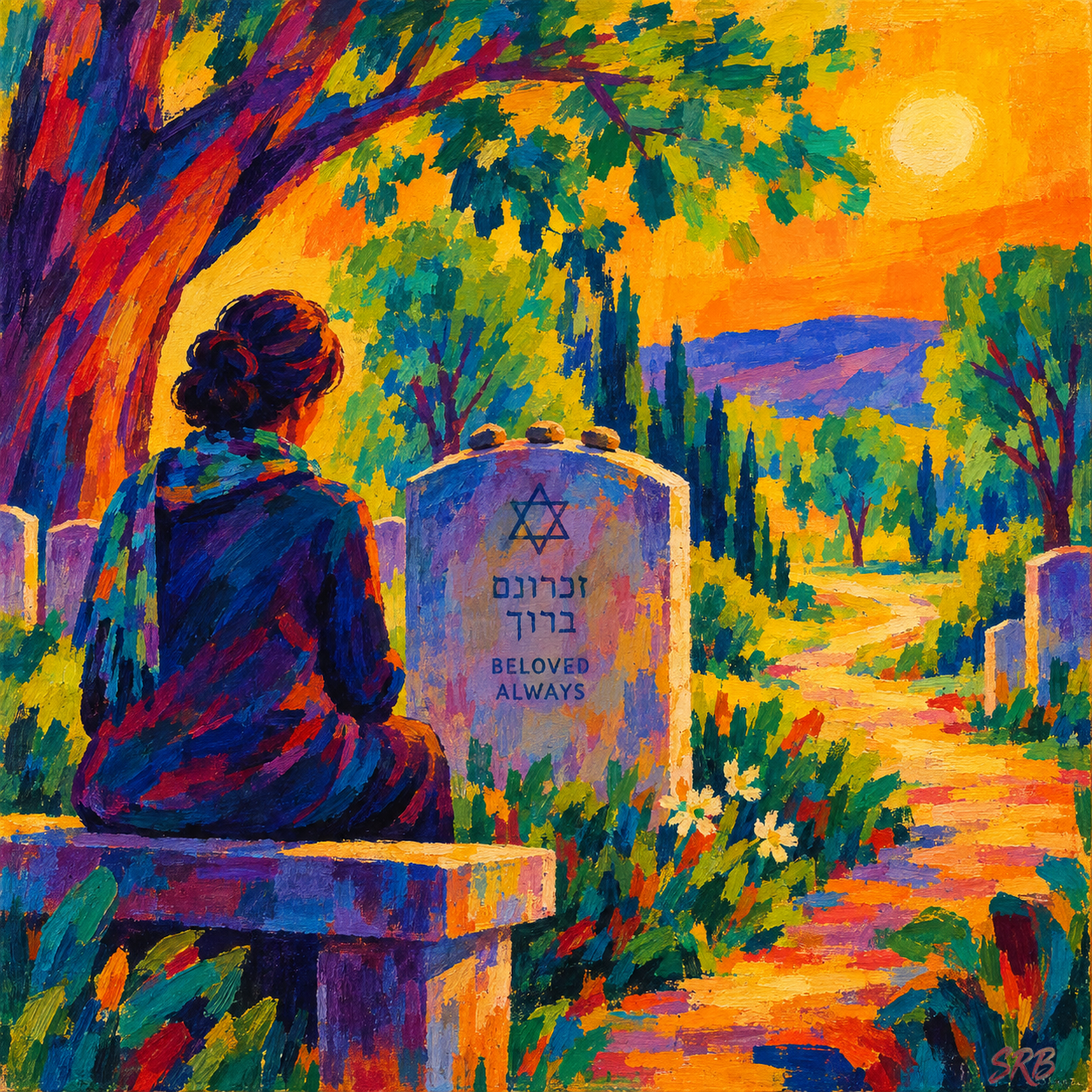
There Is Wisdom Here
Delivered by Student Rabbi Ben Russell at the Cemetery Memorial Service, 5787
There is wisdom here. The dead know something that we do not—not because we know what happens after death, but because “they have lived a completed life. We have not.” Standing among our dead before Yom Kippur, what happens if we bring with us the arguments, regrets, fears, hopes, and unfinished things of our lives and ask: “From where you are, what does this look like?” We do not come to the cemetery simply to be reminded that someday we will die. We come so that we might learn something about how to live.
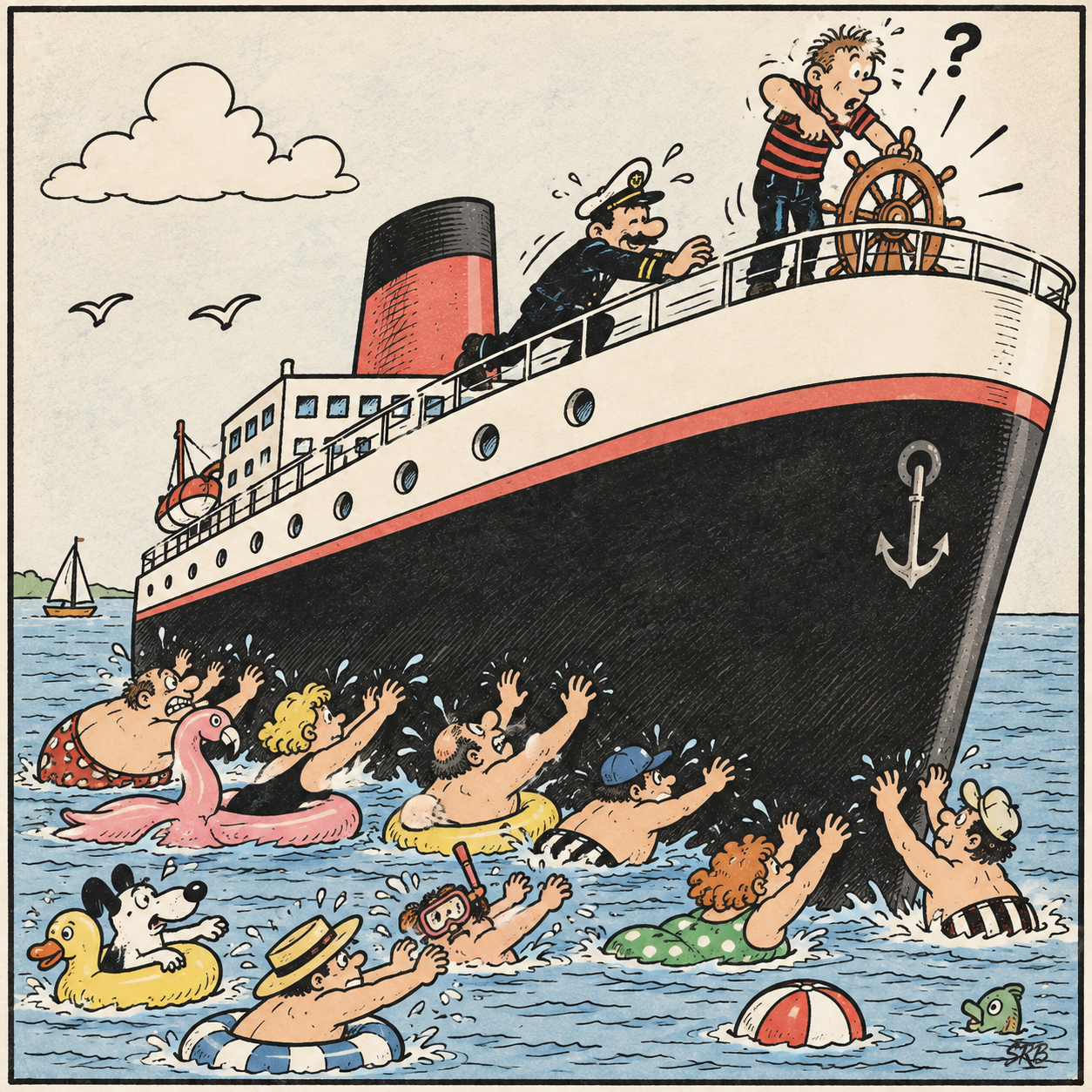
Turn
Written by Student Rabbi Ben Russell for Shabbat Shuvah 5787
A great ship can weigh tens of thousands of tons. Push against the hull with everything you have, and it will not move. That is how many of us imagine תְּשׁוּבָה, t’shuvah—turning: as though these Ten Days ask us to lift the entire weight of a life and put it somewhere else.
“Sometimes the smallest turn requires enormous courage.” An apology. A boundary. Admitting that the life we say we want and the life we are actually living are pointed in different directions.
We do not have to arrive during these Ten Days. We do not have to move the entire ship.
So ask yourself: What is one small turn you could actually make before Yom Kippur? One conversation. One apology. One boundary. One choice made differently.
You do not need the whole journey. Just find your few degrees—and put your hand on the wheel.
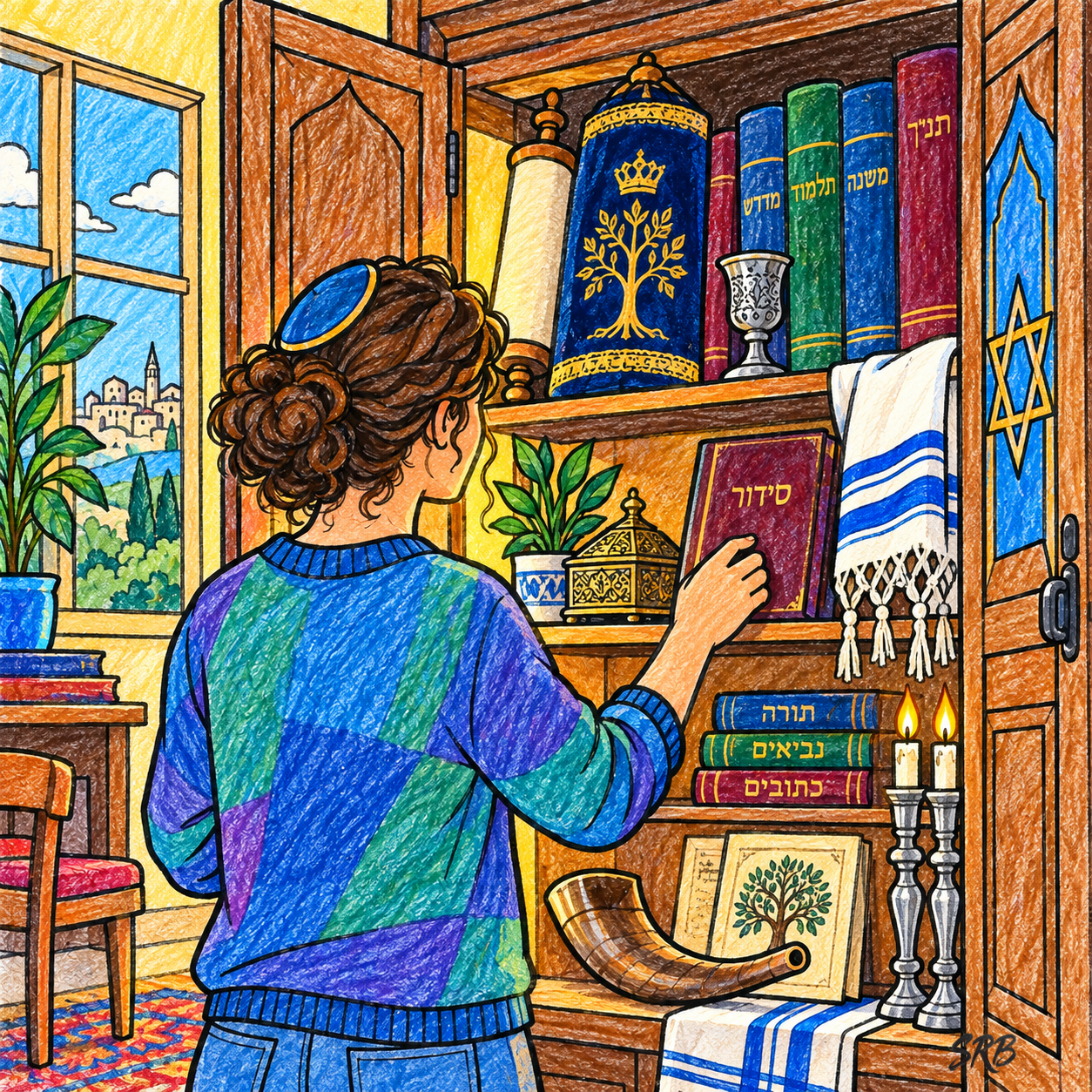
Remember Us for Life
Delivered by Student Rabbi Ben Russell on Rosh Hashanah Morning 5787
What if Judaism is not only asking something of you?
What if, somewhere in this enormous inheritance, there is something you need?
A way to rest. A way to grieve. A way to celebrate. A way to apologize. A way to notice. A question you have never asked. A practice you assumed wasn't for you. Maybe even permission to doubt, wrestle, and wonder.
For generations, Jews have carried forward ways of meeting an actual human life—and now that inheritance has reached us.
And you deserve to know what's here.
This Rosh Hashanah, I’m asking one question: What have we inherited that we’ve never opened?
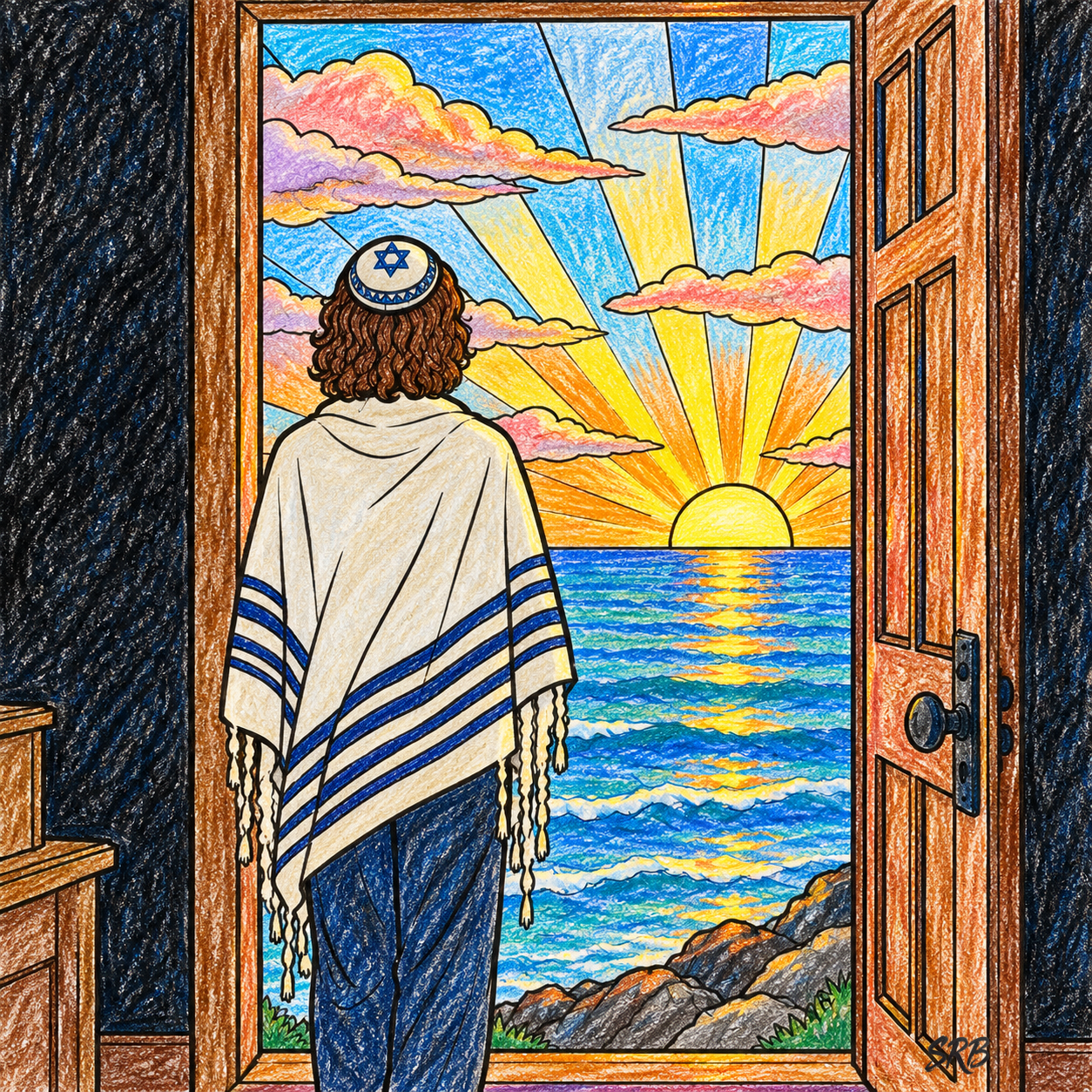
Your Life is Happening
Delivered by Student Rabbi Ben Russell on Erev Rosh Hashanah 5787
Another year has passed. Some things changed dramatically. Others changed so slowly we barely noticed.
Rosh Hashanah asks us to interrupt the ordinary long enough to realize something both simple and enormous: your life is happening.
Before we rush toward everything that needs fixing, what if we begin by paying attention? Who is beside us? Who are we missing? What have we survived? What has become ordinary that we once would have considered extraordinary?
The new year does not require us to become new people. T’shuvah means turning, not replacing ourselves—and before we can turn, we have to notice where we are.
5787 begins at the threshold: not with fixing ourselves, but with waking up.
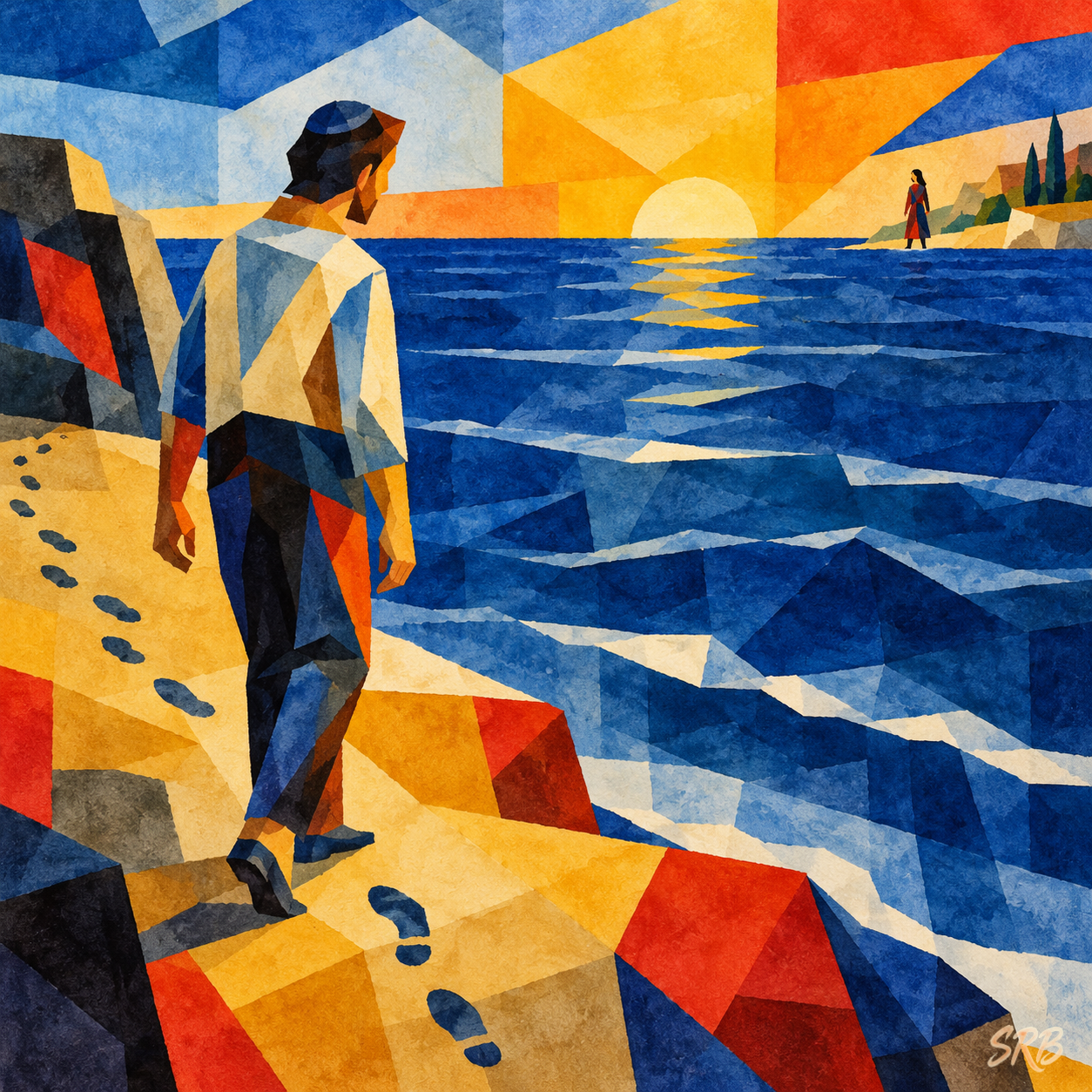
Across the Sea
Originally given during Shabbat services at Beth Israel Congregation on Friday, September 4, 2026.
Some distances between people feel impossible to cross.
A careless word. A betrayal. An apology that never came. Something we said and desperately wish we could take back.
And when the distance becomes wide enough, we start looking across it—waiting for something to change on the other side.
But what if that’s not where the way back begins?
This week, Torah gives us a haunting image: “It is not beyond the sea.”
The ocean may be real. The hurt may be real. Reconciliation may still be a very long way off.
And yet:
Distance is measured in miles. Return is measured in direction.
What might change if teshuvah begins not when we finally reach the other shore—but in the moment we stop walking away?
Read “Across the Sea,” a reflection on Nitzavim-Vayeilech, broken relationships, and the first step of return as we approach the High Holy Days.
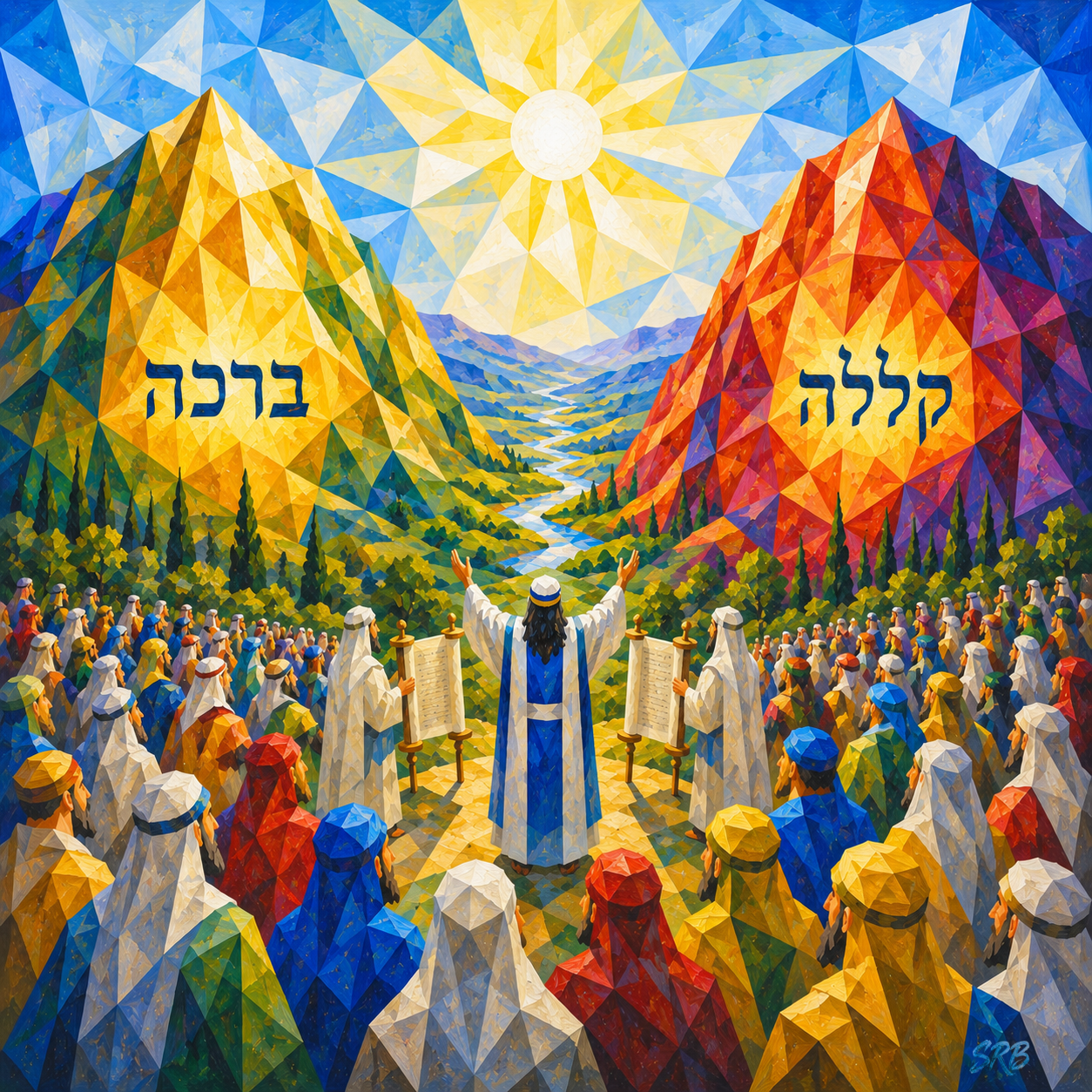
Amen
Originally delivered Friday services on September 28, 2026.
What does it mean to say Amen when we don’t know what comes next?
In Parashat Ki Tavo, Israel stands between blessing and curse and accepts a covenant that will reach generations not yet born. At a baby naming, that ancient Amen takes on new meaning: bringing a child into the world means saying yes not only to the blessing, but to everything that loving and raising a child may ask of us.
What does it mean to say Amen to the whole thing?
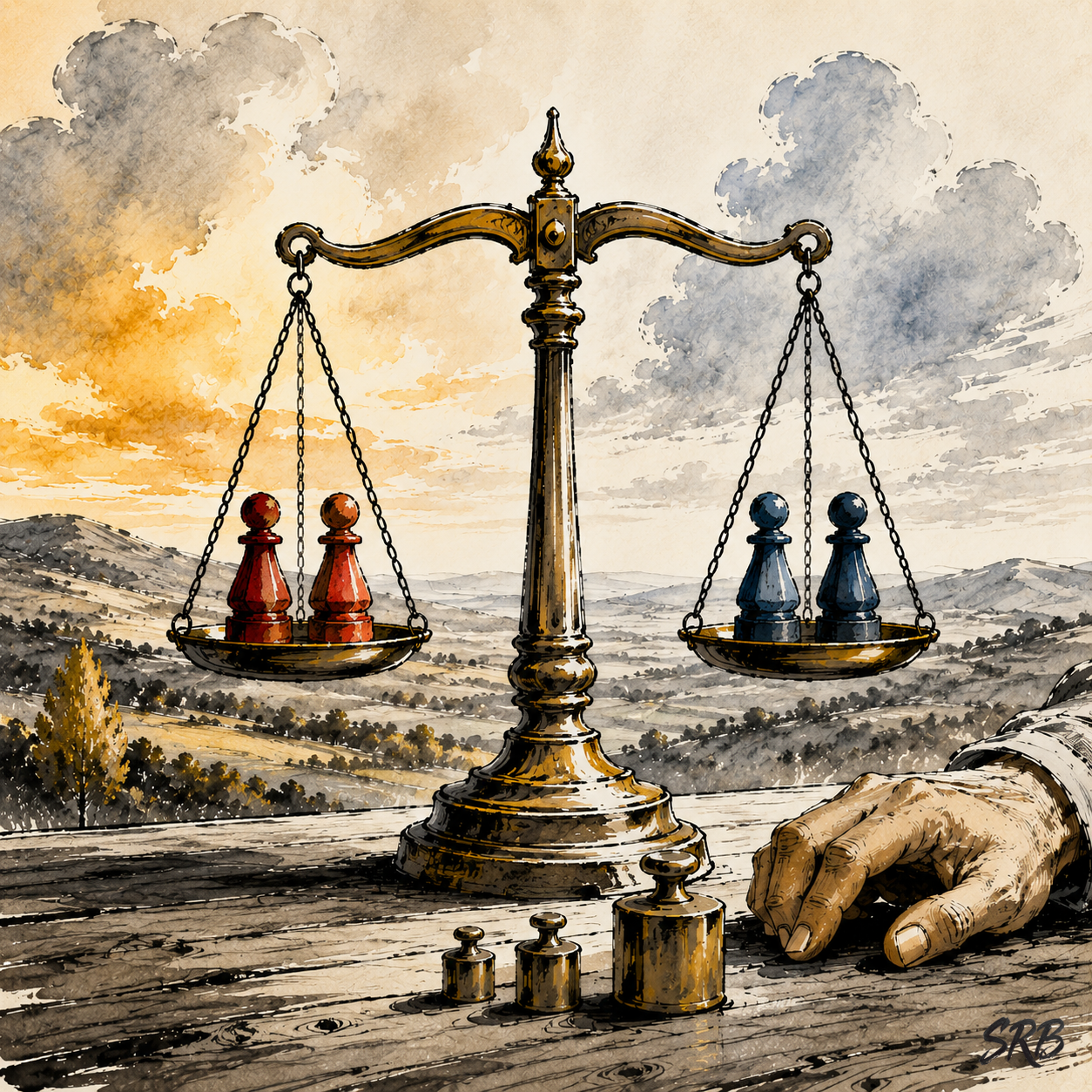
The Weights We Carry
Originally given Friday, August 21, 2026, during Shabbat services:
In Parashat Ki Teitzei, Torah commands us to use honest weights and measures. During Elul—a season devoted to examining our middot, our own “measures”—that ancient command raises a deeply personal question: Do we judge ourselves, the people we love, and the people we struggle with by the same standard? The Weights We Carry explores what it means to practice accountability with an honest scale—and to notice when our own thumb may be tipping the balance.
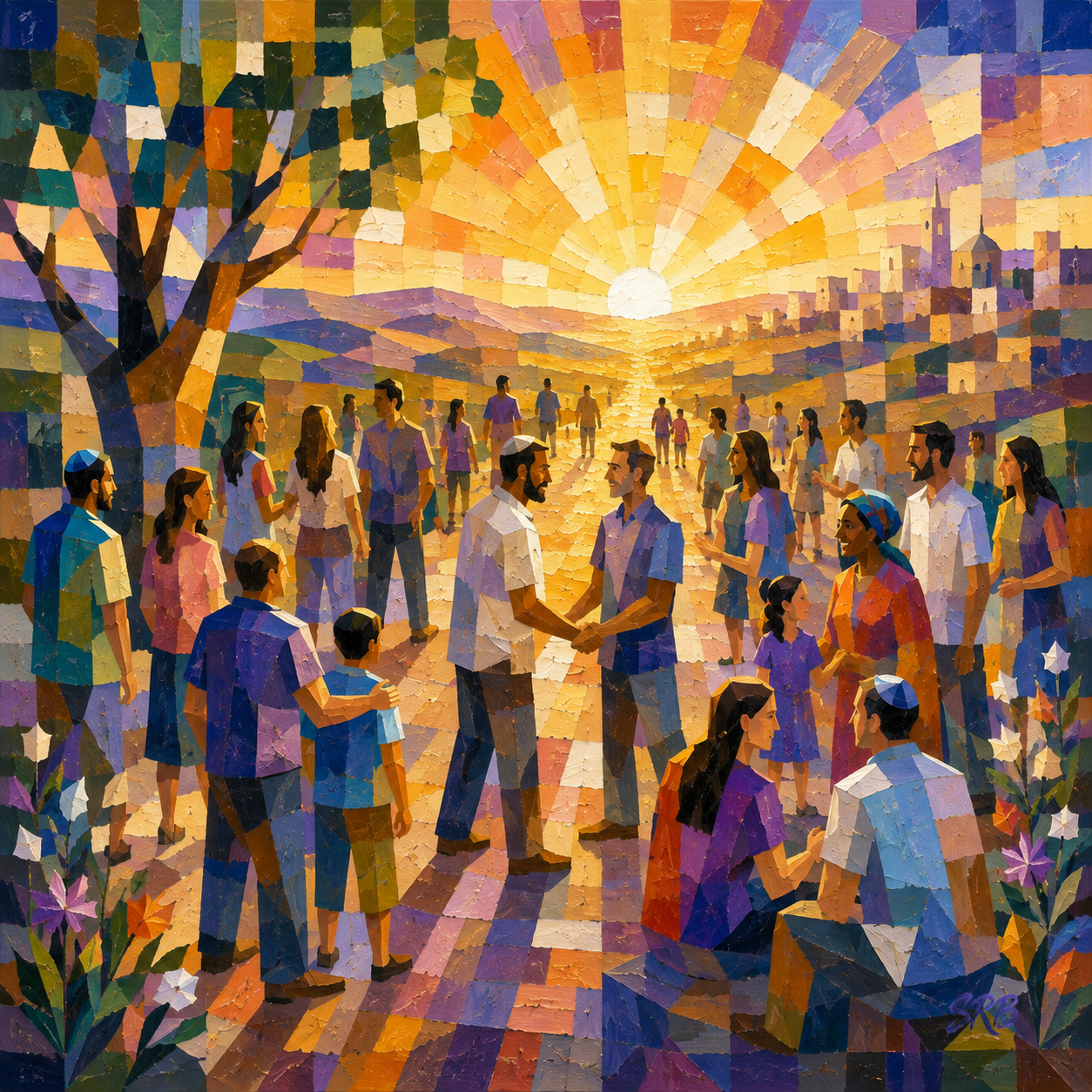
Coming Closer
Originally delivered at Northminster Baptist Church on August 16 as part of the annual pulpit swap between Northminster and Beth Israel Congregation.
“Come closer.” Joseph speaks these words to the brothers who once betrayed him—and they echo through a story of justice, hospitality, and relationships that can deepen even after decades. Coming Closer reflects on what becomes possible when we tell the truth about where we have been, open our doors to one another, and discover that even old friends can still become closer.
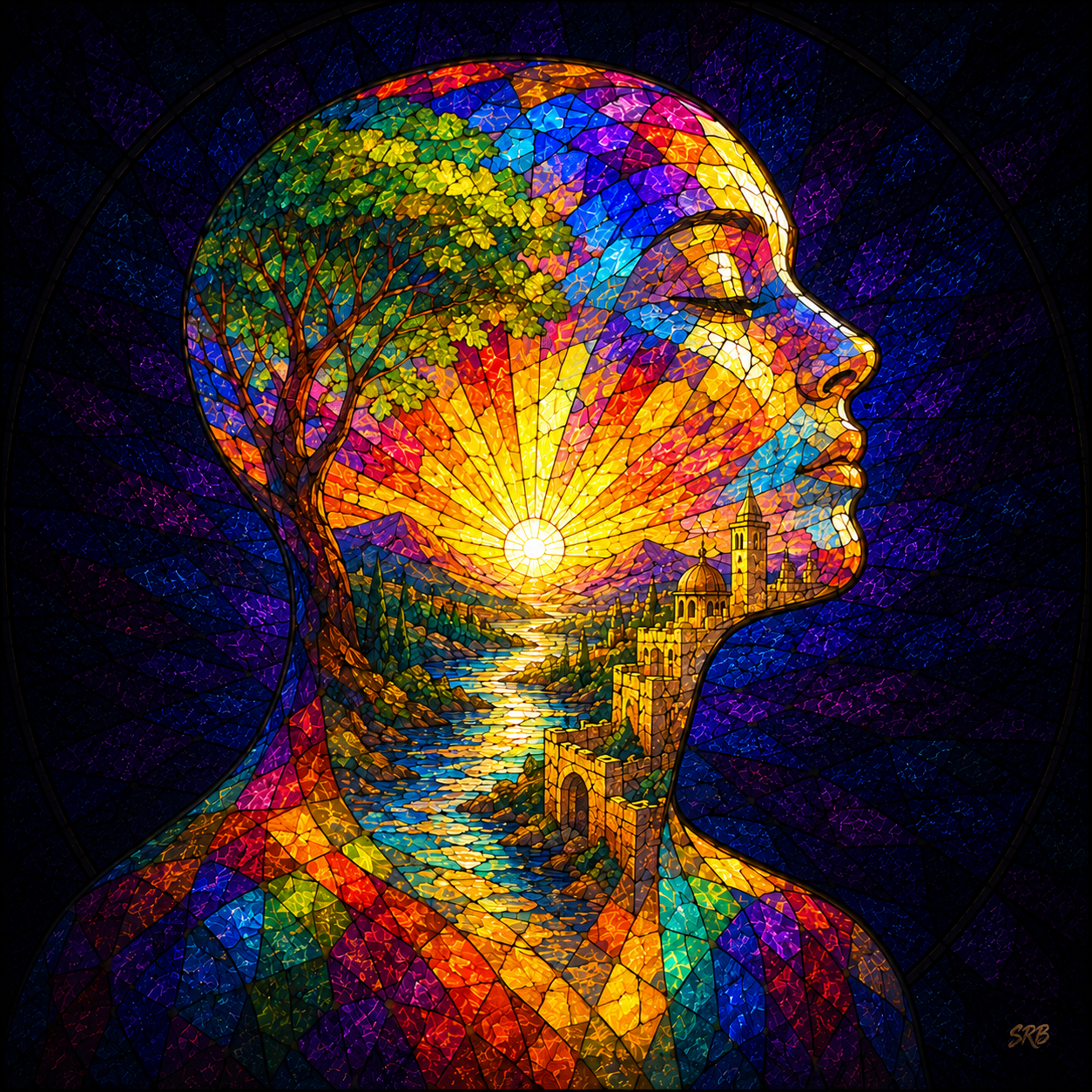
Windows of Precious Stone
Deuteronomy is the book of Shema — of listening. So why does this week's portion open with See?
I sat with that question all week, and with an image I could not shake: the soul as a window of colored glass, every trait its own color, the light coming through all of them at once.
Then I found out the image was not mine…
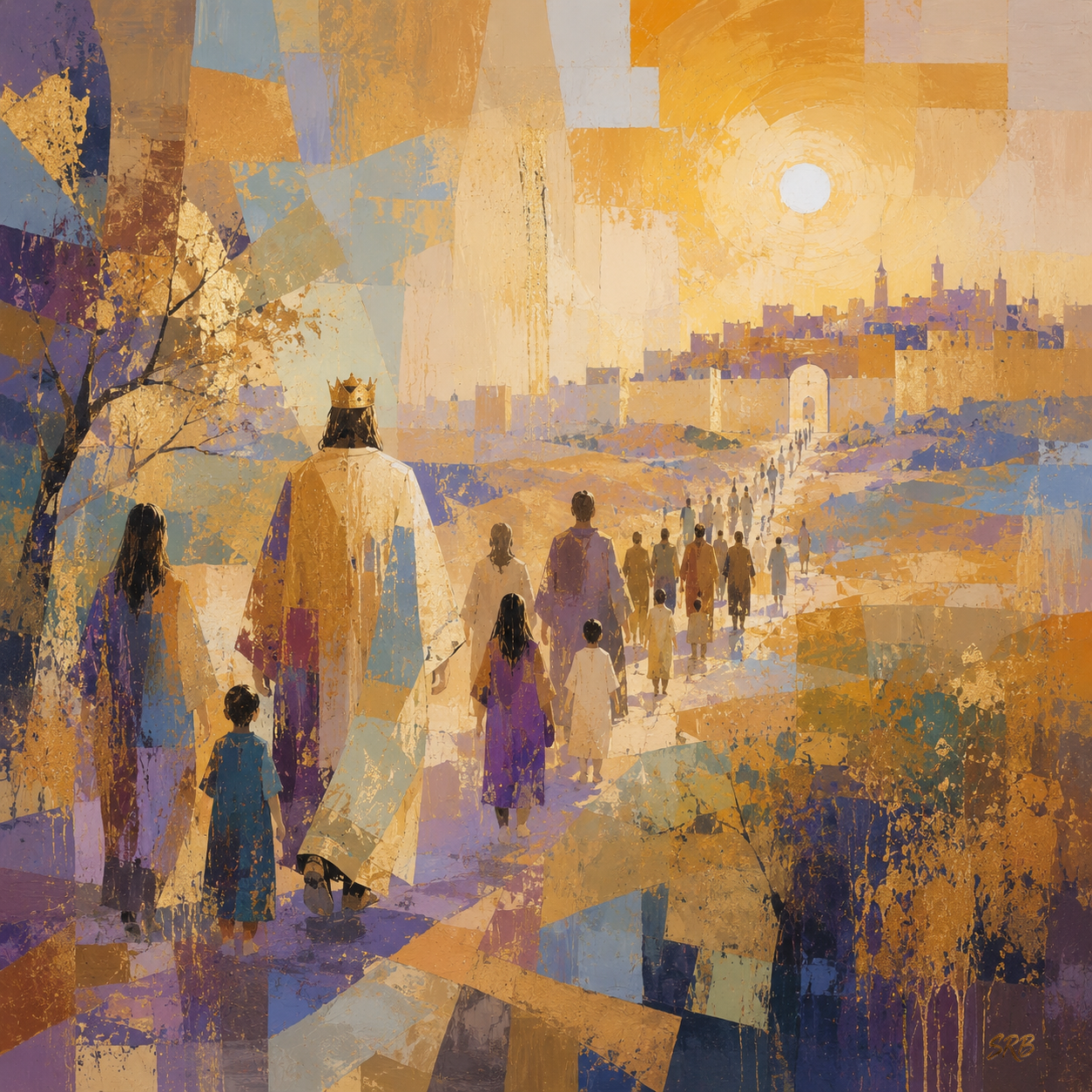
Walking with the King
There is something beautiful about the rhythm of the Jewish calendar.
Just weeks ago, we sat together with the sorrow of Tisha B'Av. We remembered a city in ruins, a Temple destroyed, and generations of loss. We allowed ourselves to acknowledge what is broken—not only in our history, but in our own lives.
Judaism, however, never leaves us in mourning for long.
As August unfolds…

The Blessing of Not Forgetting
Have you ever noticed how Judaism has blessings for things most of us simply pass by—a rainbow, thunder, bread, even good and bad news? This week's Torah portion asks a surprisingly timeless question: What if the greatest spiritual danger isn't suffering, but becoming so comfortable that we stop noticing the gifts already surrounding us? This latest reflection on Parashat Eikev explores how a simple blessing can teach us to see the ordinary with new eyes.
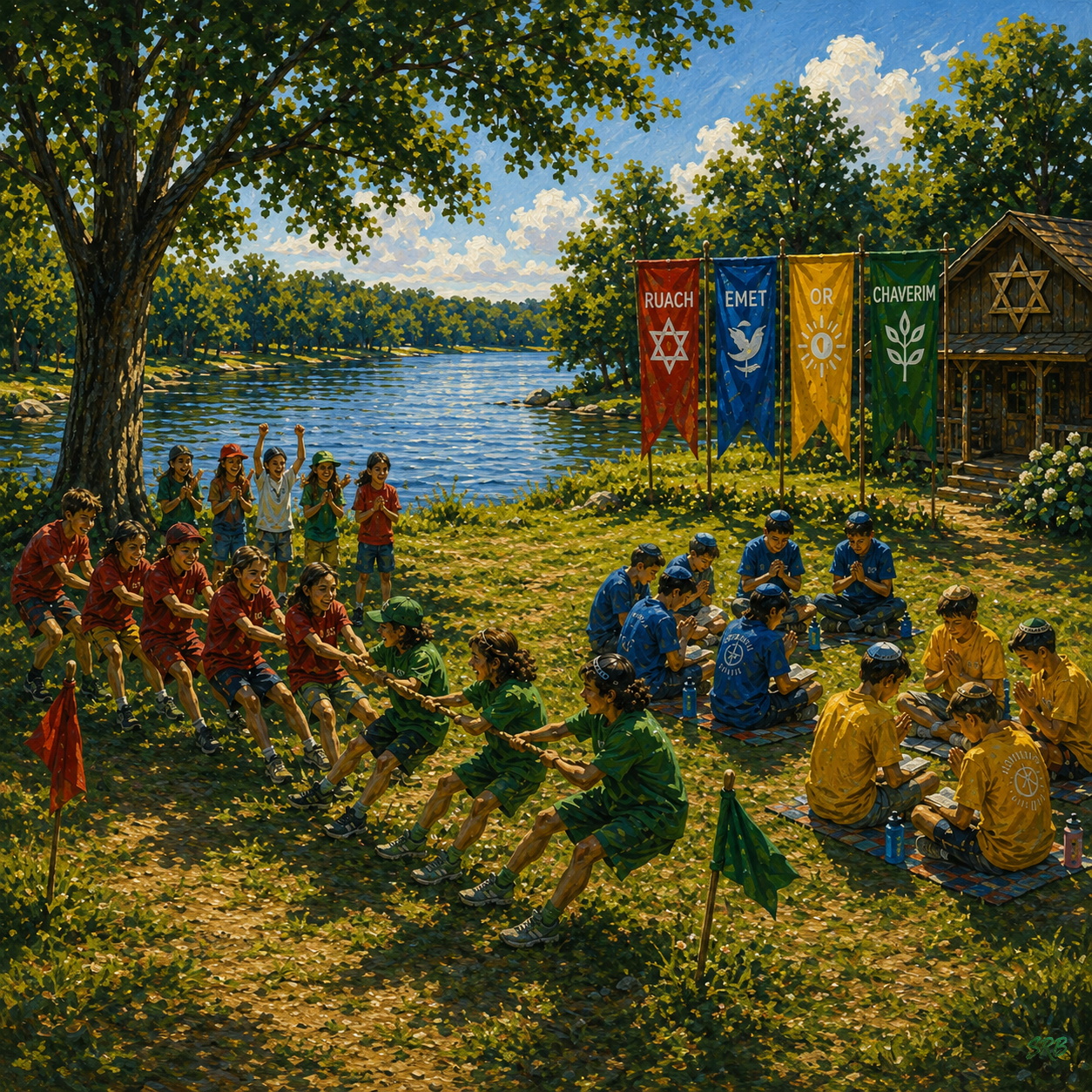
Where Do I Wear My Covenant?
There is something different about seeing Jewish children together at camp. Judaism gets out of the classroom and into their bodies. It gets loud. It gets sweaty. It gets covered in lake water and grass and paint.

Because of You
There is a sentence in Parashat D’varim that sometimes slips by us each year without much notice. As Moses begins his final retelling of Israel's journey through the wilderness, he says something unexpected:
"Adonai was angry with me also because of you..." (Deuteronomy 1:37)