

The Work That Comes Before Redemption
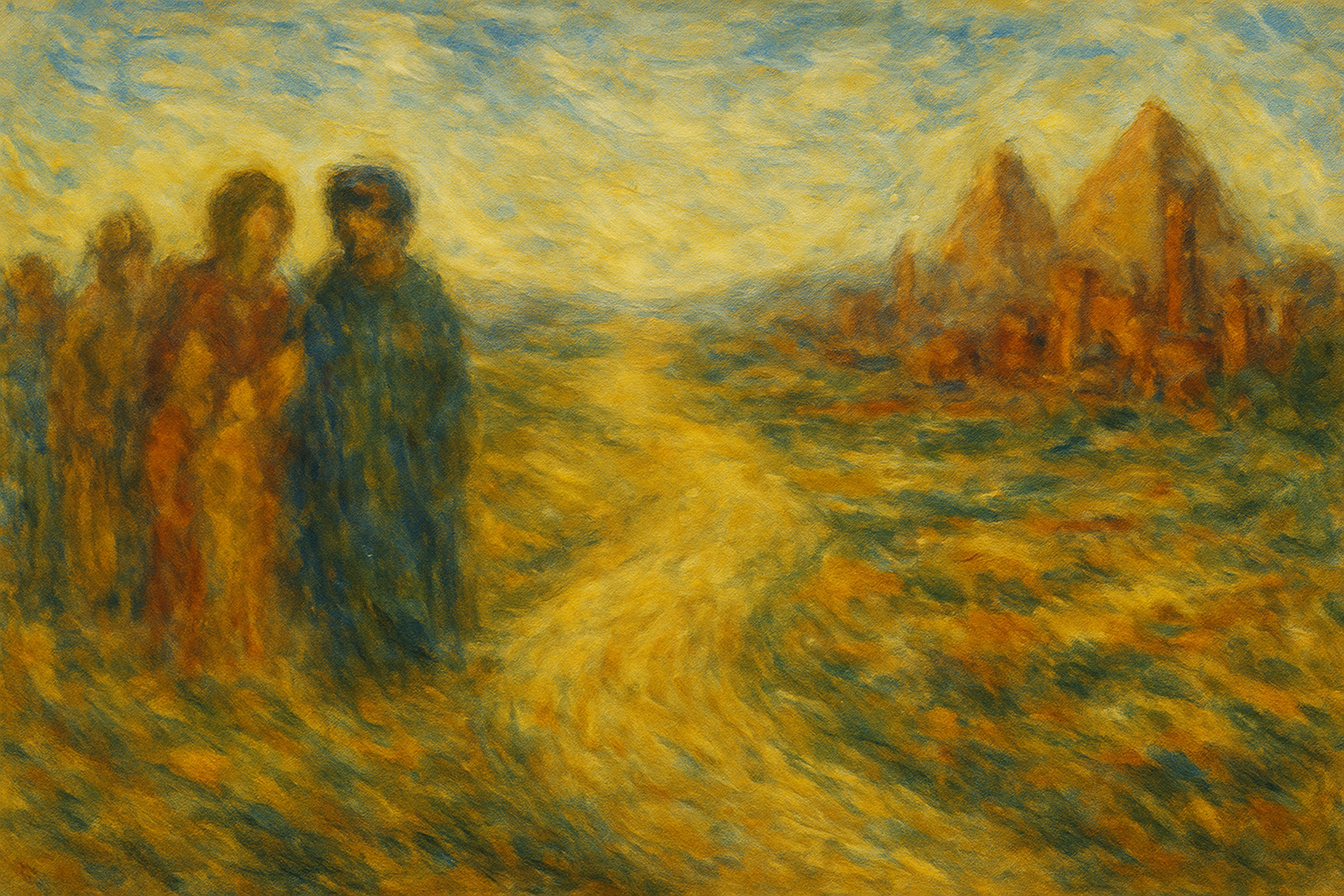
Joseph
Parashat Vayeishev is one of the most emotionally difficult Torah portions. Not because of what happens, but because of what doesn’t happen. Joseph isn’t rescued. Justice isn’t restored. Truth doesn’t prevail.
At least, not yet.
Instead, the Torah gives us a long descent: from favored son, to pit, to slave, to prisoner. Over and over again, Joseph does the “right” thing. And over and over again, the he seems to be punished for it.
And that’s the point.
We often tell the Joseph story as a triumph narrative: dreams fulfilled, power restored, family reconciled. But Vayeishev insists we slow down and sit inside the middle—the years where none of that is visible.
Joseph’s gift is not just dreaming. It is endurance. And endurance is not passive. It reshapes a person. And then there’s Judah. Judah’s arc matters just as much here.
While Joseph is descending into Egypt, Judah is descending morally—leaving his brothers, exploiting Tamar, avoiding responsibility. These two trajectories are deliberate. Leadership in this family is being tested.
Joseph learns what it means to wield power responsibly because he has been crushed by it.
Judah learns what responsibility costs because he has avoided it. Only later, much later, will those lessons meet.
And God? God is present—but quiet.
Unlike earlier Genesis stories, there are no angels, no voices, no dramatic interventions. God works through administrators, prisoners, and dreams that take years to make sense. This is theology for grown-ups. A God who does not rush to fix things. A God who allows time to do its shaping.
Vayeishev also teaches us something uncomfortable but necessary: Redemption does not erase suffering. It uses it. Joseph becomes a leader, not in spite of the pit and the prison. He becomes a leader because of the pit and the prison. And reconciliation, when it finally comes, will only be possible because these characters have been changed by what was unresolved.
This is not a story about how everything turns out fine. It is a story about how people become capable of forgiveness, restraint, and moral courage.
And that work, the hardest work, begins long before the happy ending.
,שבת שלום
Ben