
The Smell of Sh’ma
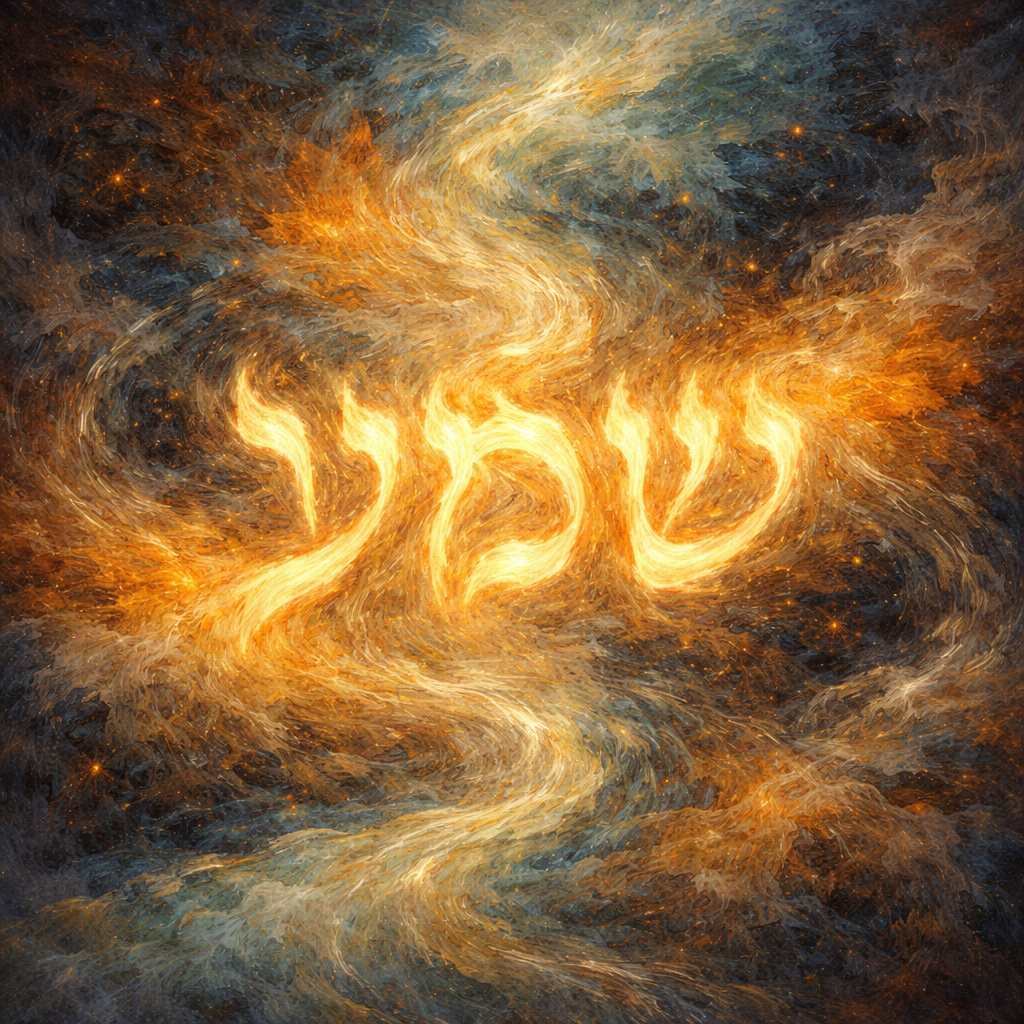
There is a moment I won’t ever forget. Walking alone through the synagogue after the fire. No crowd. No voices. Just quiet—and the kind of stillness that doesn’t feel peaceful, just… empty. And the smell. It was overwhelming. Not subtle. Not something you had to search for. It was everywhere—thick in the air, settled into the walls, into the carpet, into everything. The kind of smell that doesn’t just pass through you, but stays with you.
This week sitting in the office, I noticed that even now, it hasn’t fully left. Our Torah scrolls carry it. Some of our books. Other sacred objects. You pick something up, something familiar, something holy—and it’s still there. That same scent, clinging to it, refusing to disappear.
Over the weeks and months, something has begun to shift for me. We’ve stood in that space, and we’ve heard sacred words. We’ve held those Torah scrolls in our arms. We’ve felt the weight of them and kissed them. We’ve turned the pages of our prayerbooks as we’ve said these words again and again—Sh’ma Yisrael…
So now, when that smell rises—it doesn’t only speak of what was lost. It carries something else. Memory. Voice. Presence. The smell of Sh’ma.
Not because the fire made it holy. And not because loss becomes sacred. But because what was there was already alive in us. The words were never just ink on parchment. They had already passed through breath and body, through repetition and rhythm, until they became something we carry. And that means they are not gone. They are here. Just… in a different form.
This week’s Torah portion, Parashat Tzav, describes what happens when something is given over to the fire. Its form changes. What once could be seen and touched becomes something else entirely. And the Torah gives a name to what remains: רֵיחַ—reiach. A scent. Something you cannot hold. Something you cannot point to. But something you know is there.
Maybe that is where we are now. Not everything as it was. But not nothing. Something that lingers. Something that reminds us: this mattered. This still matters.
The Torah tells us that the fire on the altar must never go out. Not because it is always blazing. But because it is tended. Even when it burns low. Even when all that seems left is heat and ash—it is still there.
And maybe that is what we are being asked now. Not to recreate what was. Not to pretend nothing has changed. But to notice what remains. To trust that something of what we built, what we prayed, what we became together—is still here.
The fire did not go out. It just found a different place to burn.
,שבת שלום
Student Rabbi Ben