From Presence to Call
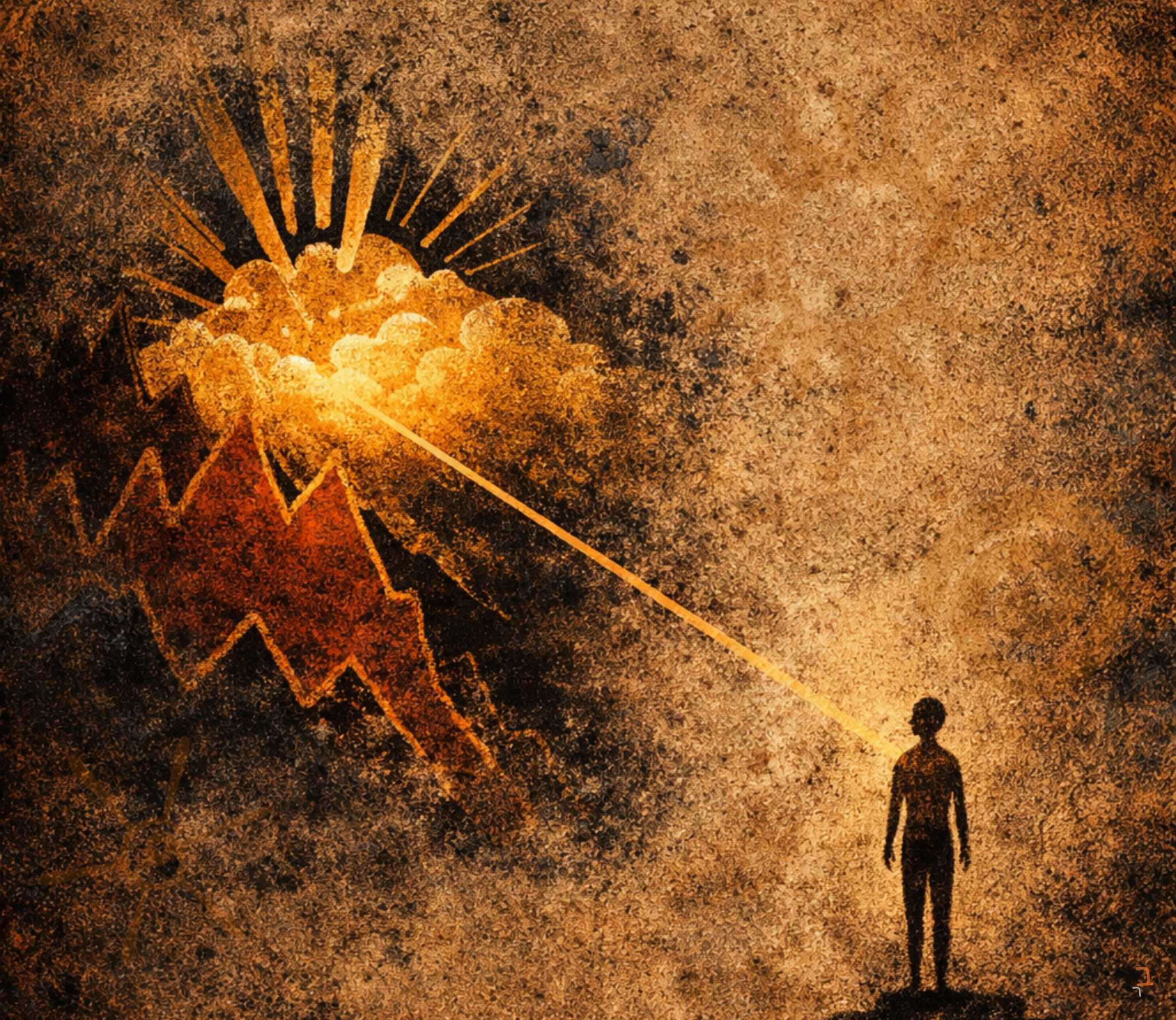
At the very end of Exodus, the Mishkanא is completed and something powerful happens: the cloud descends and the kavod or glory of Adonai fills the space. The text tells us that Moses could not enter—not because he was rejected, but because the Presence was simply too overwhelming. The space was full in a way that left no room for anything else.ב
And then Leviticus begins with a quiet but important shift. The opening word, וַיִּקְרָא — vayikraג —“And He called”—changes everything. God does not leave the Mishkan. The Presence does not go away. Instead, God calls to Moses from within it. What was unapproachable becomes a place of communication.
This is a different kind of revelation. In Exodus, everything is dramatic—fire, cloud, intensity. In Leviticus, things become more structured. God calls, and then God speaks. The instructions that follow are not just rules; they are a way of making ongoing connection possible. Without some kind of structure, the Presence is too much. With it, it becomes something we can actually engage.
The shift from “Moses could not enter” to “God called to Moses” suggests that presence alone is not enough. Even when God is fully there, we still need a way in. Leviticus offers that—not by reducing God’s presence, but by shaping how we approach it. What can look like barriers are actually pathways.
There is also something deeply personal in the word vayikra. God calls to Moses. This is not just speech—it’s relationship. Before there are commandments, there is a call. Before there is obligation, there is connection.
Vayikra reminds us that closeness is not about intensity. It’s not about how overwhelming something feels. Closeness is about whether we can receive it. A presence we cannot enter is not yet a relationship. The call is what makes that relationship possible.
Leviticus begins, then, not with sacrifice, but with invitation. The same Presence that once filled the Mishkan now reaches outward with a voice. And that small shift—from overwhelming presence to a simple call—opens the possibility that we are not just living in a world sustained by something greater, but in a world where we are being called to respond.
This week, take a moment to listen for what might be calling to you—not in the overwhelming moments, but in the quiet ones.
,שבת שלום
Student Rabbi Ben
References
א. Mishkan מִשְׁכָּן — Tabernacle; the dwelling place of God; from the root שׁכן, “to settle down, abide, dwell.” Brown-Driver-Briggs Hebrew and English Lexicon.
https://www.sefaria.org/BDB%2C_%D7%9E%D6%B4%D7%A9%D6%B0%D7%81%D7%9B%D6%B8%D6%BC%D7%9F%C2%B2.1?lang=bi&with=all&lang2=en
ב. Exodus 40:35.
https://www.sefaria.org/Exodus.40.35?lang=bi&with=all&lang2=en
ג. In Hebrew, each of the five books of Torah are named after the first Torah portion or parashat. Thus, the five books in Hebrew are Bereshit (Genesis), Shemot (Exodus), Vayikra (Leviticus), Bamidbar (Numbers), and Devarim (Deuteronomy). The Torah: Five books of story, law, and poetry divided into 54 weekly portions. My Jewish Learning. https://www.myjewishlearning.com/article/the-torah