

Stepping Back into the Garden
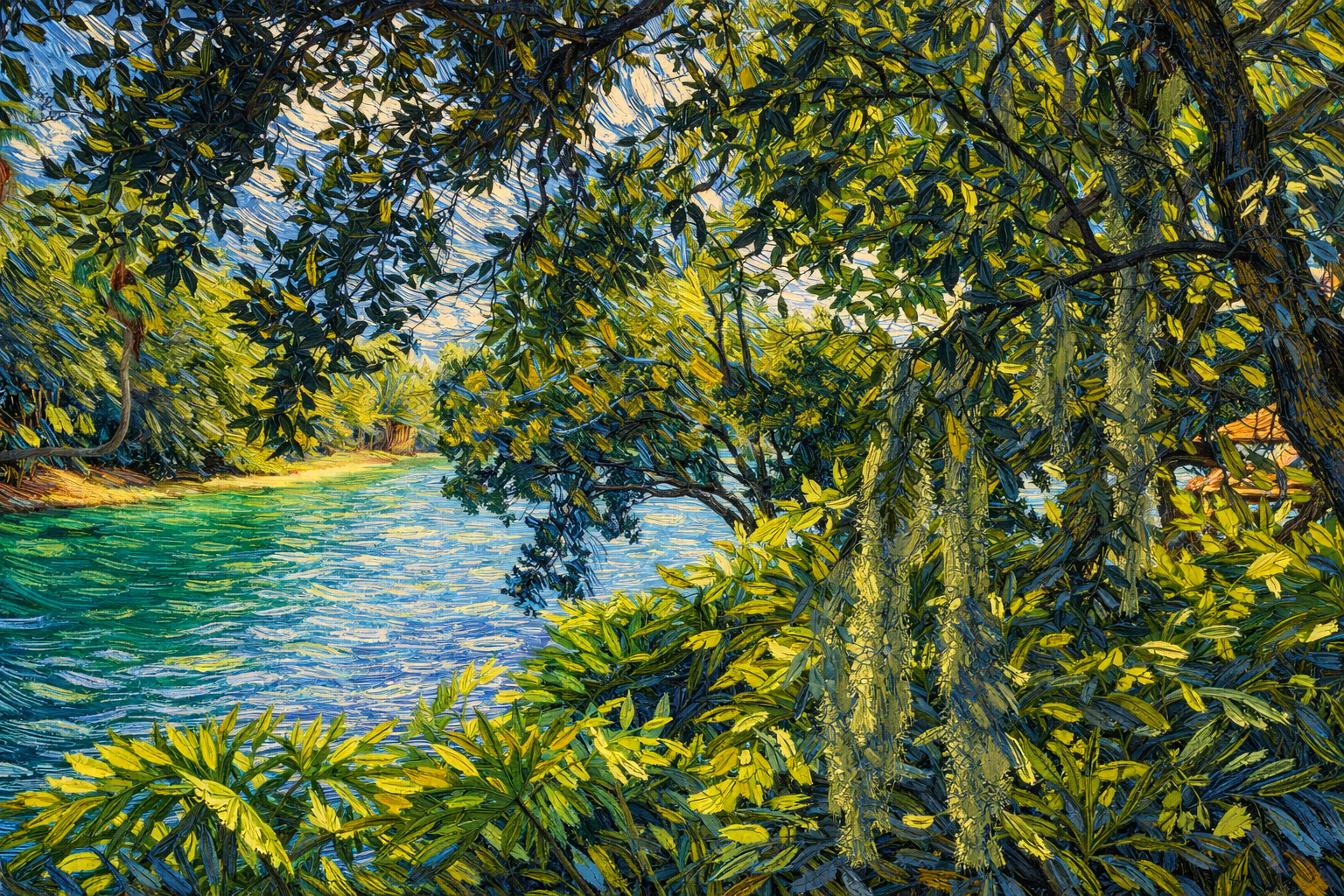
In the beginning, before there was Sinai, before there was Egypt, before there was even a Jewish people, there was a walk. Adam and Eve walking in the garden. God walking in the garden. Conversation woven into creation itself. Not liturgy. Not choreography. Just presence.
Jewish prayer begins there — not in a sanctuary, but in relationship. Not as performance, but as proximity. Humanity and the Divine sharing space.
And then something fractures. The walking becomes hiding. The first recorded human words to God are defensive. Fear enters the conversation. From that moment on, prayer becomes the work of returning to the walk.
Which brings us, strangely and beautifully, to Parashat Bo.
Bo is not about the birth of prayer as text. It is about the birth of prayer as lived rhythm. In Egypt, the Israelites have no time of their own. Their days belong to Pharaoh. Their labor belongs to Pharaoh. Even their bodies feel as though they belong to Pharaoh.
And what is the very first commandment given to them as a people? “This month shall be for you the beginning of months” (Exodus 12:2). Sanctify time.
Before they leave physically, they reclaim time spiritually. Before they cross the sea, they reorder their days. They are commanded to mark the new moon, to prepare the lamb, to eat differently, to tell the story to their children. They are told that this day shall be a remembrance, that it shall be observed throughout the generations.
That is lived prayer. It is not yet the Amidah. It is not yet a siddur. It is life shaped toward God.
In the Garden, prayer was walking with God in unselfconscious presence. In Egypt, prayer becomes resistance. It becomes identity. It becomes memory enacted in real time. The Israelites do not pray to escape Egypt; they pray by reorganizing their lives in defiance of Egypt.
Prayer is what happens when we refuse to let the world define reality. It is not escape from the world. It is reshaping the world. It is refusing to let Pharaoh define reality. When we bless the new moon, we declare that time belongs to God. When we retell the Exodus, we declare that oppression does not have the final word.
Maybe that is still our work.
To walk with God — even when the world feels fractured.
To sanctify time — even when time feels heavy.
To live in such a way that prayer is not confined to the page, but written into the way we order our days.
Parashat Bo reminds us that before we cross any sea, we learn how to live differently. We learn how to mark time. We learn how to tell our story. We learn how to refuse Pharaoh’s narrative.
Prayer, in the Jewish tradition, is not an escape from history. It is how we walk through it.
And maybe, every time we gather, every time we bless, every time we tell the story again, we are doing something very ancient.
We are stepping back into the garden.
,שבת שלם
Ben