

Wrestling with Heaven: Abraham’s Daring Prayer
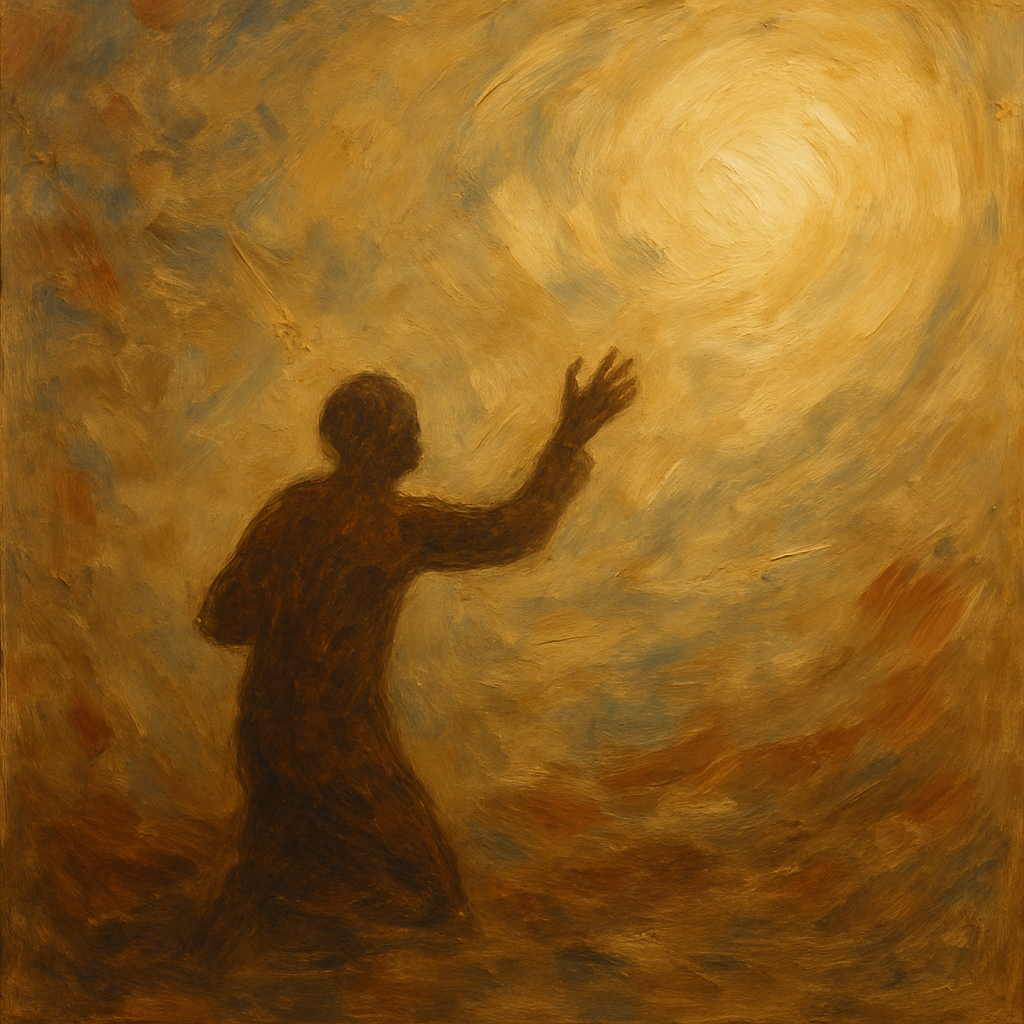
Vayeira by Ben Russell
Parashat Vayeira – Genesis 18
There are many ways to serve God. Most people in the Torah obey. Noah builds the ark without question. Lot flees Sodom when told. Even Isaac and Jacob, in their own ways, tend to respond rather than initiate. But Abraham does something entirely different. He steps forward.
The text says, “Vayigash Avraham” — “And Abraham drew near” (Genesis 18:23). That single phrase signals everything that follows. The rabbis note that vayigash — “he drew near” — is the verb the Bible uses when someone is about to confront, plead, or even go to battle[1]. Abraham draws near not in reverence, but in resistance. He challenges the Holy One to act justly: “Shall the Judge of all the earth not do justice?” It is a breathtaking moment — the first recorded human protest on behalf of divine justice itself. Abraham becomes not God’s servant, but God’s partner, insisting that mercy must be part of any true righteousness.
In that encounter, Abraham invents a new kind of faith — one that refuses quiet obedience when conscience cries out. He models what later generations will call chutzpah l’shem shamayim — holy audacity[2]. To be righteous, in Abraham’s view, is not to submit to Heaven blindly but to engage Heaven courageously. And though Abraham never wrestles in the physical sense, the text makes clear that this is a contest of wills. He bargains down from fifty righteous souls to ten, pushing until he finds the moral boundary of divine patience. This is the beginning of what it means to be Yisrael — the people who struggle with God and with humanity.
Later, his grandson Jacob will literally wrestle through the night with a mysterious being and emerge renamed Yisrael, “one who strives with God.” Jacob’s body acts out what Abraham’s spirit began. The struggle becomes our spiritual inheritance — to argue, to question, to hold fast until blessing comes. And generations later, Moses will stand in that same tradition when he cries, “Erase me from Your book, but forgive them!” The pattern continues: to love God is to hold God — and ourselves — accountable to the highest vision of justice and compassion.
As we read Vayeira, we meet the ancestor who taught us that reverence and resistance can coexist. A true friend of God may sometimes have to stand against God — not out of arrogance, but out of love. Our task is not to avoid struggle, but to make it holy: to argue for mercy when the world burns, to plead for fairness when the scales tilt toward cruelty, and to keep drawing near — vayigash — even when the conversation feels impossible. In that sacred nearness, faith becomes not submission but dialogue — a wrestling that endures until blessing appears.
References
Rashi on Genesis 18:23, citing Bereishit Rabbah 49:8. Rashi interprets “vayigash” (“he drew near”) as language of confrontation, conciliation, and prayer — framing Abraham’s approach as a spiritual struggle rather than passive reverence.
The Hebrew phrase chutzpah l’shem shamayim (חוּצְפָּה לְשֵׁם שָׁמַיִם) literally translates as “audacity for the sake of Heaven”.