

When Faith Refuses to Become Indifferent
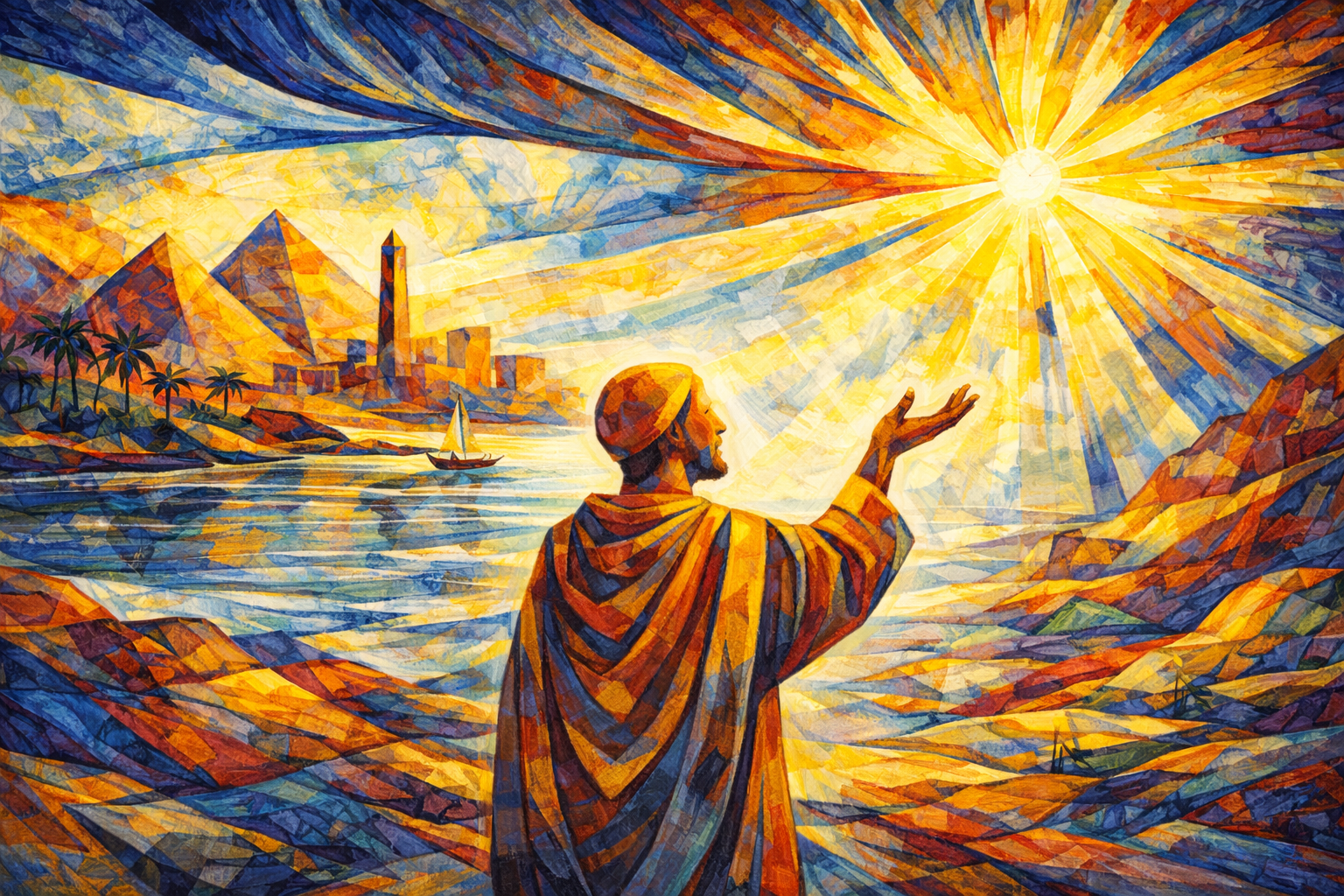
At the end of Parashat Shemot, Moses does what he will do many times over the course of his life: he challenges God on behalf of the people. After his first encounter with Pharaoh makes things worse, Moses turns to God and says, “Why have You done evil to this people?… Since I came to Pharaoh, it has only gotten worse, and You have not saved Your people at all” (Exod. 5:22–23).
What stands out is not that Moses speaks up—Abraham challenges God over Sodom, and later Moses will plead after the Golden Calf—but who Moses speaks up for and how he frames it. He doesn’t argue for “the righteous” or for his family or for a small circle of the deserving. He simply says, this people, without qualification. And he doesn’t describe their suffering as an unfortunate delay. He says plainly that things have gotten worse, and that this is not what liberation is supposed to feel like.
Commentators notice this moment. Rambanא observes that Moses expected things to get better once God got involved—not worse—and that his frustration comes from watching suffering increase at the very moment hope is introduced. It’s a very human reaction, and the Torah lets it stand. It is not smoothed over, punished, or erased.
That matters, because there is a version of faith that rushes to say, “It’s all for the best,” as if every painful thing must automatically be spiritually meaningful. The Exodus story does have a larger arc—God will be known, a people will be freed—but Moses refuses to skip over the part where people are actually hurting. He doesn’t romanticize suffering or fold it neatly into a divine plan. He names what hurts, brings that protest to God, and insists that pain should not be explained away.
Redemption in Exodus begins not with perfect faith or serene acceptance, but with someone saying: this hurts, and it shouldn’t. The Torah places that moment of protest right before everything changes, as if to show that faith can include discomfort, disappointment, and the refusal to explain away what is unbearable.
And that has something to say to us. In our relationship with God, it gives us permission to pray honestly—not only with praise, but with pain. With each other, it reminds us that compassion starts by taking suffering seriously rather than justifying it. And in the world around us, it challenges us to see injustice not as an unfortunate part of the plan, but as something that demands a response.
Moses’ question is not the end of faith. It is faith refusing to become indifferent.
א Nachmanides. Commentary on the Torah: Exodus 5:22. https://www.sefaria.org/Exodus.5.22?ven=english|The_Rashi_chumash_by_Rabbi_Shraga_Silverstein&lang=bi&aliyot=0&p2=Ramban_on_Exodus.5.22.2&lang2=bi&w2=all&lang3=en