Resting the Body, Resouling the Spirit
Near the end of Parashat Ki Tisa, the Torah returns to the subject of Shabbat. After chapters filled with instructions for building theMishkan (Tabernacle), the text pauses to remind the people that even sacred work must stop. It is here that we find the words we sing every Shabbat:
וּבַיּוֹם הַשְּׁבִיעִי שָׁבַת וַיִּנָּפַשׁ — u’vayom hashvi’i shavat vayinafash.
These are the closing words of V’shamru, describing the rhythm of creation itself:
“On the seventh day, God ceased — and was refreshed.”
(Exodus 31:17)
The Hebrew phrase שָׁבַת וַיִּנָּפַשׁ — shavat vayinafash captures two different dimensions of rest.
The first word is familiar. Shavat means to stop or cease. It is where we get the word Shabbat itself — a day when work pauses and activity slows. The word describes the physical act of stopping: work ends, labor pauses, and the body rests.
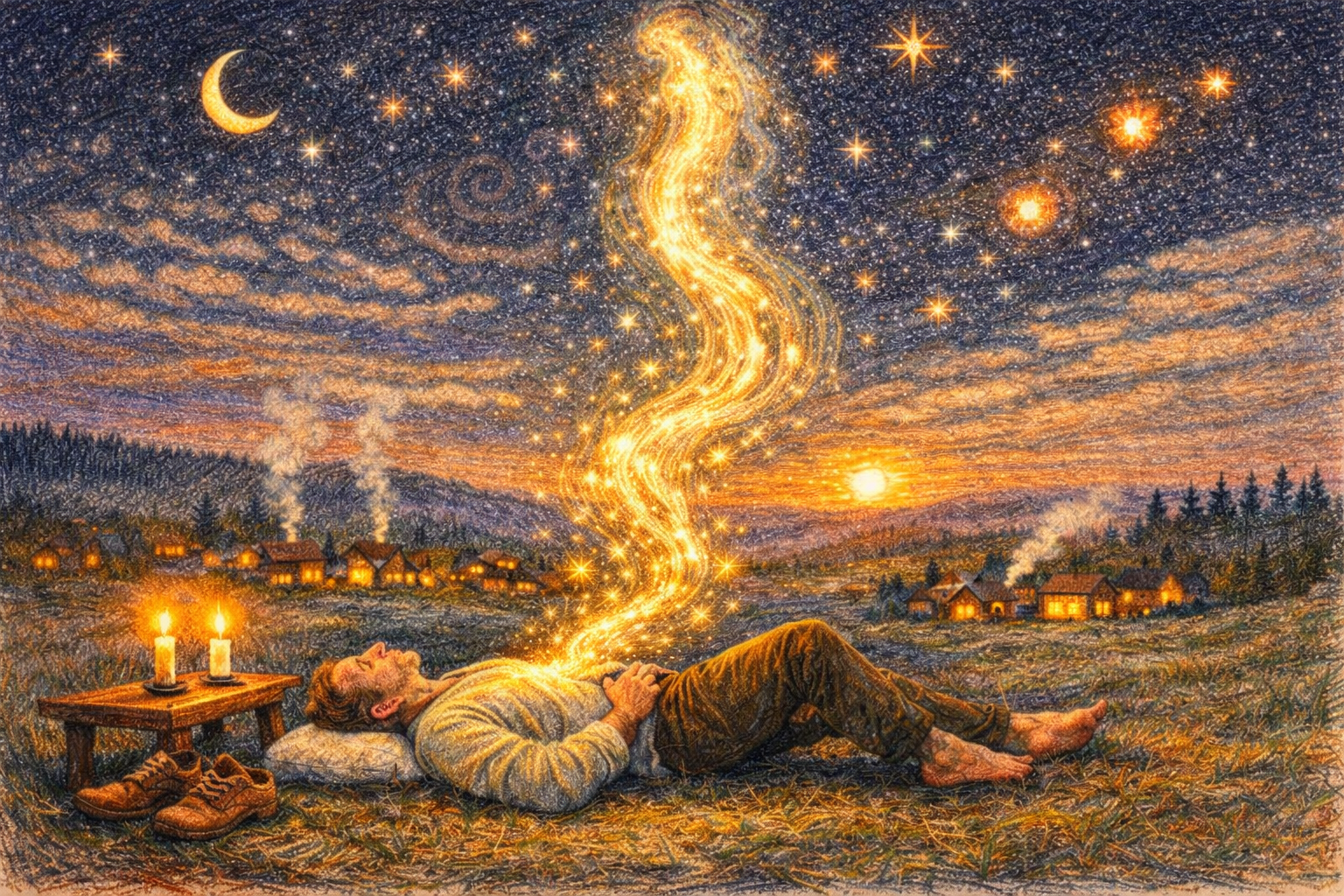
But the second word carries a deeper meaning. Vayinafash comes from the word nefesh, meaning soul, breath, or life-force. It suggests more than simply stopping activity. It suggests renewal — the sense that something within us has been restored. Literally, the word could be heard as meaning that the soul itself has returned, that a person has been “re-souled.”
In other words, Shabbat offers two forms of rest: the rest of the body and the rest of the soul.
Anyone who has lived through a season of constant motion knows the difference. Sometimes we stop working, but we are not truly rested. Our minds keep racing. Our worries linger. Our spirits feel thin. We may put down our tools or close the laptop, but the noise of the week still lives inside us.
Shabbat invites something deeper than simply stopping activity. It invites us to recover our breath — to allow the body to slow and the soul to settle. To step away from the endless pressure to produce, accomplish, and respond, and to remember that our worth is not measured only by what we do.
Perhaps that is why the Torah places this rhythm at the center of Jewish life. A life without real rest — physical and spiritual — slowly wears a person down. Shabbat arrives each week like a pause built into creation itself, reminding us that human beings need both: the rest of the body and the renewal of the soul.
Perhaps this week, as Shabbat arrives, we can allow ourselves both kinds of rest — putting down the work of the week, taking a breath, and giving both body and soul the space to be renewed.
,שבת שלום
Student Rabbi Ben